How to Kill Moss on Your Roof in Eugene, OR
Eugene roofs grow moss fast — about 47 inches of rain a year, fir needles that trap moisture, and shaded north-facing planes that stay damp for months. Killing that moss is the first step, but killing is not the same as removing it. This guide compares the five treatments Eugene homeowners actually use, with the real mixes, dwell times, costs, and plant-safety rules, so you can pick the right one for your roof.
- Fastest kill: A bleach-based wash (sodium hypochlorite) — visible die-off in days.
- Safest for plants and pets: Potassium salts of fatty acids, or a gentle vinegar mix.
- Best long-term value: Zinc sulfate, which keeps working after application.
- What the pros use: A low-pressure soft wash with a bleach-based solution, applied under 500 PSI so shingles are never blasted.
Killing vs removing: why the distinction matters
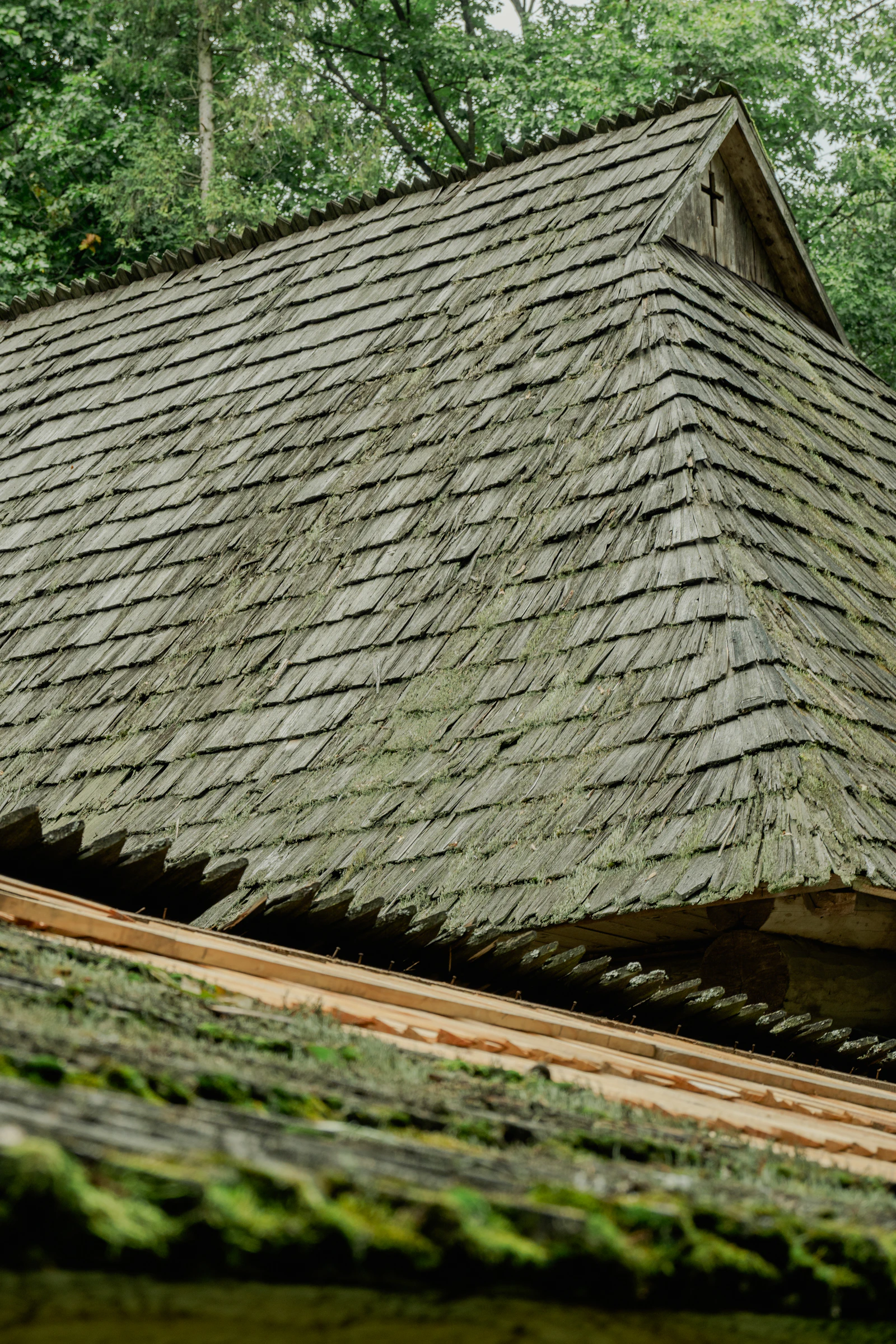
A treatment kills moss at the cellular level. Dead moss does not vanish — it dries, loosens, and blows or washes off over days to weeks. Scrubbing or pressure-washing live moss off a roof tears granules and can void a shingle warranty. So the right sequence is always: kill first, let it die, then let weather (or a gentle rinse) clear it. For the full removal sequence, see the pillar guide how to remove moss from a roof in Eugene. If the roof is steep, fragile, or covered end to end, skip DIY and go straight to professional treatment roof moss treatment in Eugene.
If you want the removal steps themselves, see our guide to roof moss removal in Eugene.
The 5 treatments compared
| Treatment | Mix / product | Dwell time | Typical cost | Plant & pet safety | Copper-gutter safe? |
|---|---|---|---|---|---|
| Bleach wash (sodium hypochlorite) | 1 part bleach to 4 parts water (ARMA method; up to 1:2 for heavy growth) | 15–30 minutes | $10–$25 per batch (covers ~1,000 sq ft) | Pre-wet and cover plants; rinse well | Yes, with thorough rinsing |
| Zinc sulfate (OSU Extension recipe) | 3 lbs zinc sulfate monohydrate per 9 gallons water, treats 600–1,000 sq ft | Leave on; works over weeks | $15–$30 per batch | Moderate — keep pets off until dry | NO — corrodes copper gutters, downspouts and flashing |
| Potassium salts of fatty acids | Ready-to-use spray, per label | 15–20 minutes, then rinse | $15–$25 per bottle | High — biodegradable, soap-based | Yes |
| White vinegar + dish soap | Undiluted vinegar with a squirt of dish soap | 2–3 days to full effect | Under $10 | High — landscaping-friendly | Yes |
| Commercial granules (Moss B Ware, Wet & Forget, BioAdvanced) | Granules or spray per label | Weeks (rain-activated for granules) | $20–$50 | Follow label; keep granules out of drains | Check label — zinc-based granules share the copper warning |
No single treatment wins on every row. Bleach is fastest, zinc lasts longest, potassium salts are the kindest to gardens. Pick by your roof’s biggest constraint: copper gutters rule out zinc, a garden full of prized plants points to potassium salts, and heavy, thick moss usually needs the bleach wash a pro would use.
Bleach wash: the ARMA method (the pro standard)
Sodium hypochlorite at household strength, mixed 1:4 bleach to water (1:2 for thick, established moss), plus a small amount of surfactant so it clings instead of running off. Apply with a garden sprayer from the top down, never from a ladder spraying upward under shingles. Dwell 15–30 minutes — never let it dry on the roof. Rinse gently with a garden hose. Safety non-negotiables: pre-wet all plants and grass below the eaves, cover delicate shrubs, dilute runoff areas with fresh water, wear eye protection and gloves, and never mix bleach with any other chemical. A soft wash uses the same chemistry at under 500 PSI roof soft washing in Eugene.
Zinc sulfate: the OSU Extension recipe
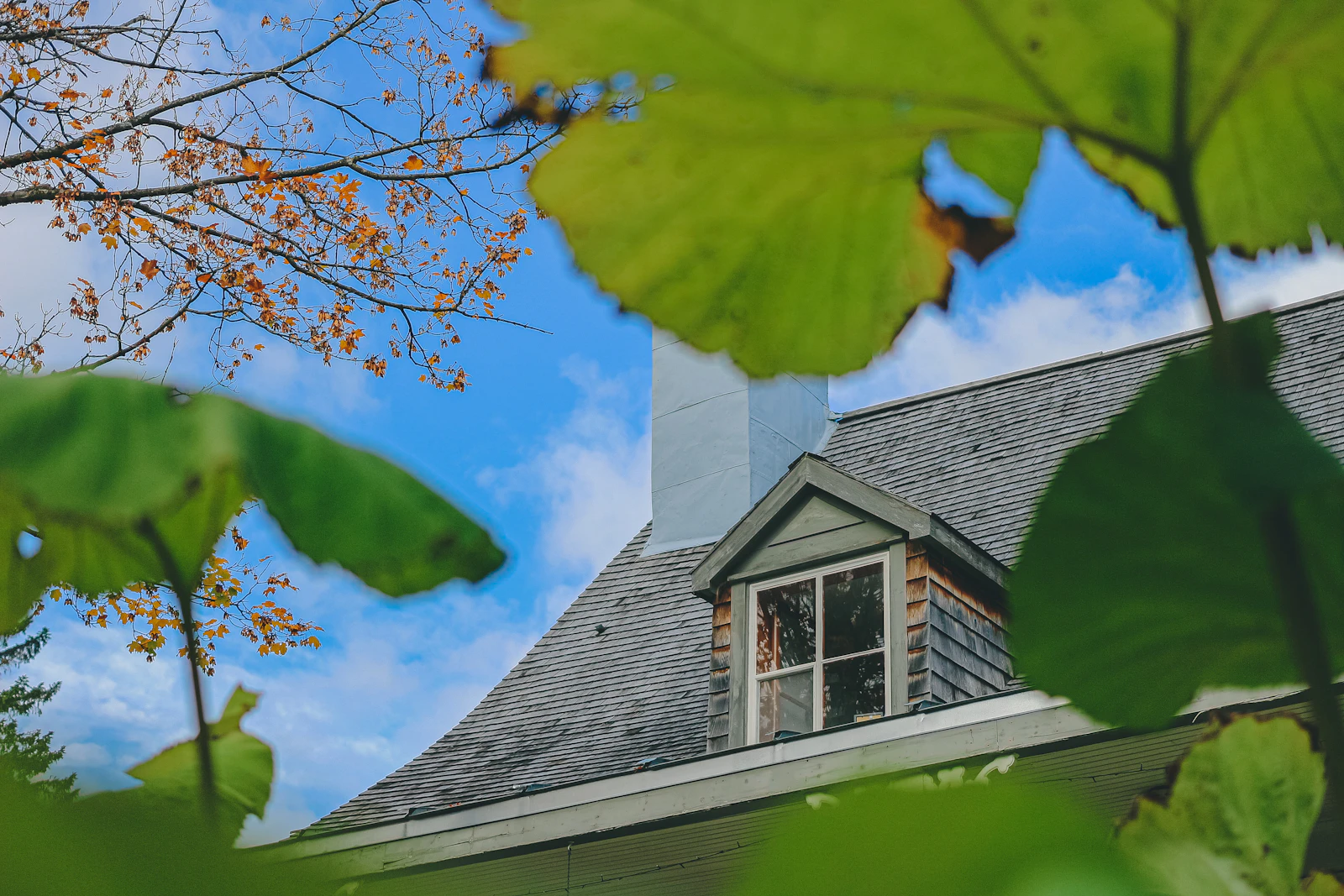
Oregon State University Extension’s published recipe is 3 pounds of zinc sulfate monohydrate in 9 gallons of water, enough for 600–1,000 square feet. Spray it on a cool, overcast day so it stays wet longer, and keep it off copper — zinc sulfate corrodes copper gutters, downspouts and flashing, and that damage is not reversible. It is slower than bleach but keeps inhibiting regrowth for months, which is why it pairs well with zinc strips for prevention roof moss treatment in Eugene.
Potassium salts: the eco option
Potassium salts of fatty acids are soap-based and biodegradable. They kill moss by disrupting cell membranes, then break down quickly in soil. Best for roofs over vegetable gardens, fish ponds, or homes with pets that roam the yard. Trade-off: less residual protection than zinc, so expect to re-treat sooner.
Vinegar and dish soap: the gentle option
Undiluted white vinegar with a squirt of dish soap, sprayed on and left for 2–3 days, will kill light moss without harming nearby plants. It is the cheapest option and the most forgiving, but it struggles with thick, rooted moss mats — for those, step up to bleach or zinc.
Commercial granules and sprays
Moss B Ware (zinc sulfate granules) is scattered on the roof and rain-activated; Wet & Forget and BioAdvanced Moss and Algae Killer are spray-and-leave products. Convenient, but read the label twice: zinc-based granules carry the same copper warning as liquid zinc sulfate, and granules must never be swept into storm drains.
How to apply any treatment safely
- Pick a cool, overcast, windless day — never in direct sun, which dries the mix before it works.
- Pre-wet every plant, shrub and lawn strip below the eaves, and cover delicate plants with tarps.
- Work from a stable ladder or the ground with a pump sprayer; never walk a wet, mossy roof — it is dangerously slick.
- Spray top-down so the solution runs over moss, not under shingles.
- Let it dwell for the time in the table above; re-wet if it starts drying.
- Rinse gently with a garden hose and dilute all runoff areas with fresh water.
- Keep pets and children off treated areas until fully dry.
Eugene note: route rinse water away from storm drains and salmon-bearing streams — the same DEQ-conscious handling used on professional jobs.
What happens after the moss dies
Dead moss turns brown, then grey, and loosens over 2–6 weeks of Eugene rain and wind. Light growth mostly blows off on its own. Thick mats may need a gentle hose rinse or a soft brush from a ladder — never a pressure washer, which strips the protective granule layer from asphalt shingles and can void the warranty. If dead moss is still sitting after two months, it was probably too thick for one application — a second treatment, or a professional soft wash, finishes the job.
When DIY treatment is not enough
Call in a pro when the roof is steep or multi-storey, the moss covers most of the roof, there are lifted or broken shingles underneath, or the roof is pre-1980s and may contain asbestos-era materials — those roofs should never be disturbed by DIY work. Professional moss treatment roof moss treatment in Eugene adds zinc-strip installation and an annual maintenance plan, and a full soft wash roof soft washing in Eugene runs $300–$600 for a typical Eugene home (Prices checked October 2026) roof cleaning cost in Eugene. For roofs where moss keeps coming back, the underlying cause is usually shade and debris — trimming firs and keeping gutters clear gutter cleaning in Eugene matters as much as any chemical.
Frequently Asked Questions About Killing Roof Moss
Will bleach damage my shingles?
No, when mixed and rinsed correctly. A 1:4 bleach-to-water wash with a 15–30 minute dwell, followed by a gentle rinse, is the method ARMA recommends. Damage comes from pressure washers, not from a properly diluted bleach wash.
Is zinc sulfate safe for pets?
Once dry, yes. Keep pets and children off the roof runoff areas until the treatment is fully dry, and never let pets drink from puddles of the mix.
How long before rain after treating?
Ideally 24–48 hours of dry weather. Rain too soon washes the treatment off before it works. Check Eugene’s forecast and pick a dry window.
Can I use zinc sulfate with copper gutters?
No. Zinc sulfate corrodes copper gutters, downspouts and flashing. If your home has any copper roofing components, use a bleach wash or potassium salts instead.
How often do I need to re-treat?
Most Eugene roofs need treatment once a year, ideally in October before the wet season. Zinc treatments and zinc strips stretch that interval.
Vinegar vs bleach — which is better?
Bleach kills faster and handles thick moss; vinegar is gentler and cheaper but only suits light growth. For heavy moss, bleach wins; for a light touch-up over a garden, vinegar is fine.
Do I still need to remove the moss after killing it?
Usually weather does it for you in 2–6 weeks. Thick mats may need a gentle rinse or soft brush. Never use a pressure washer to clear dead moss.
Want it handled for you?
Request a free inspection and a written quote — fill in the form below and we will take it from there.